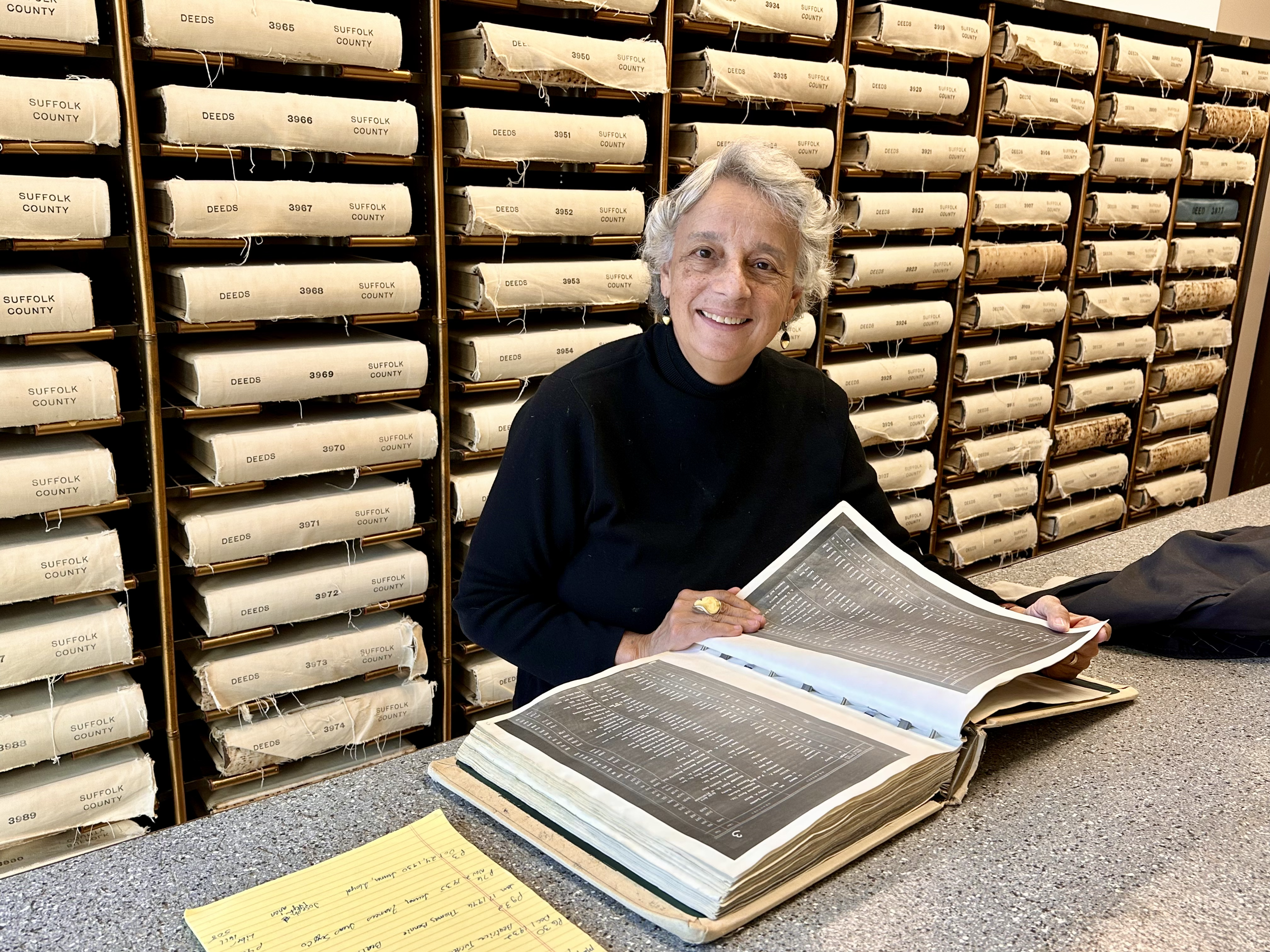
Patricia A. Turner is a folklorist who documents and analyzes the stories that define the African American experience.
She finds and illuminates the stories in hand-made quilts and mass-produced dolls, and unearths the narratives that undergird anti-black rumors and legends.
Now, Turner is at work on the neglected stories of the early twentieth century black men and women who came to call eastern Long Island, New York home. Her own parents were in the cohort that found their way from Southampton County, Virginia—the stomping grounds of the notorious Nat Turner—to the farming communities in the Hamptons.
In neighboring Sag Harbor, the warm waters of Long Island Sound lured an aspirational network of middle-class African Americans to build and enjoy second homes within walking distance of a private beach.
All of their stories speak to an abiding commitment to individual and collective black mobility. Turner intends to make sure they are told.
Photo: Kevin Smith
Work in Progress
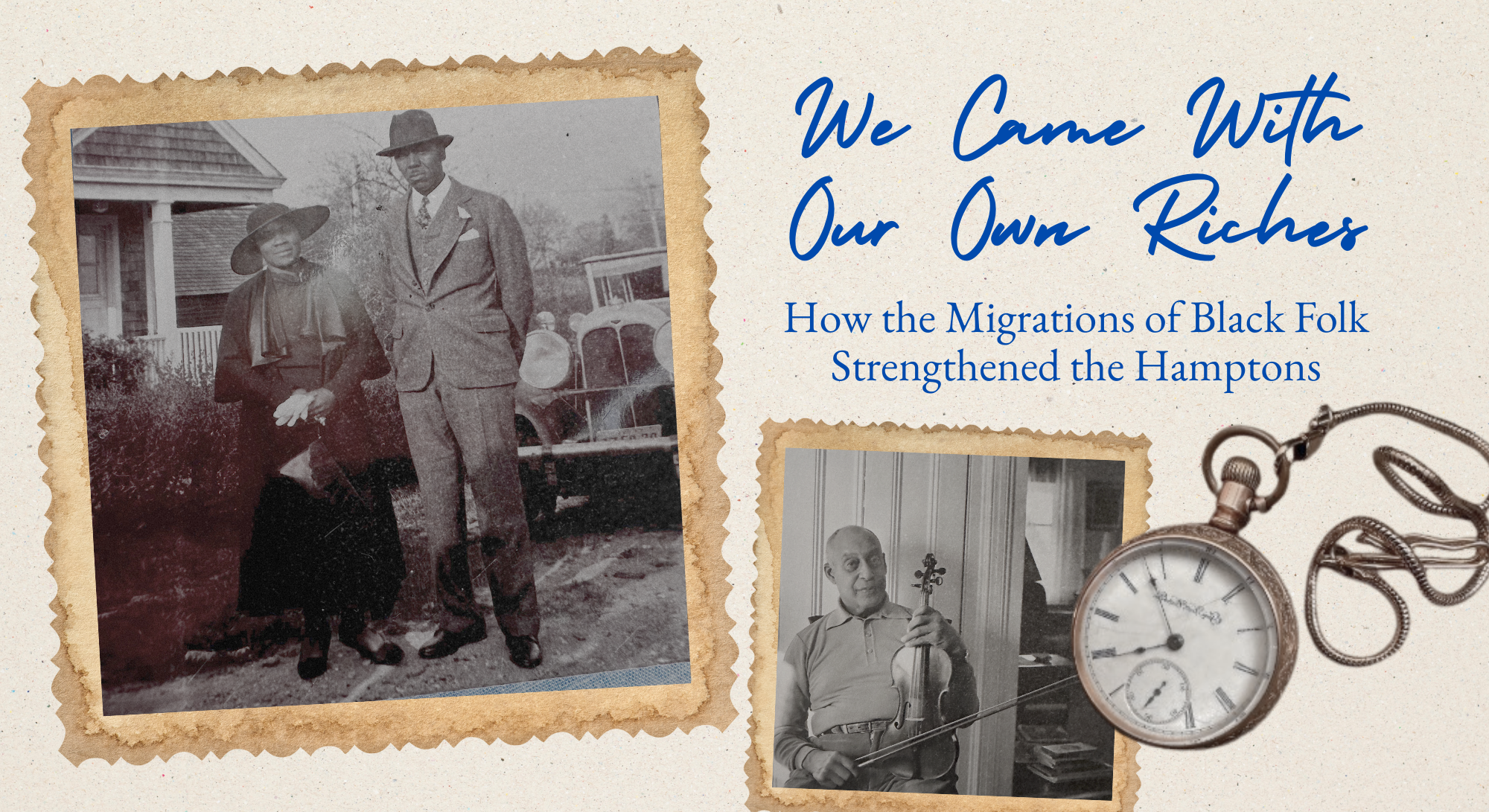
We Came With Our Own Riches:
How the Migrations of Black Folk Strengthened the Hamptons
Celebrated folklorist and author Patricia A. Turner, PhD, came of age in the Hamptons. But not the luscious and lavish Hamptons inhabited by indolent damsels and degenerate playboys as long imagined by the purveyors of popular culture.
In the decade famous for Jazz Age excess, Turner’s parents arrived in search of fair and fertile grounds for their future. Born and raised in the Jim Crow South, Lloyd and Sallie Turner, and many other African-American families from their corner of southern Virginia, were seeking to escape the shackles of a race-based social system hard-wired to squash educational and economic mobility.
We Came With Our Own Riches: How The Migrations of Black Folk Strengthened The Hamptons introduces the reader to people traditionally overlooked in the literature and history of the region. Told with Turner’s signature warmth, humor, and rigorous research, her insider’s knowledge of, and fondness for, the Hamptons’ richly varied African American enclaves bring this neglected history and ethnography to life.